Local SEO Guide: Rank Higher in Your City
When someone searches "plumber near me" or "best coffee shop downtown," you want to show up. This guide covers everything you need to know about ranking in local search.
What is Local SEO?
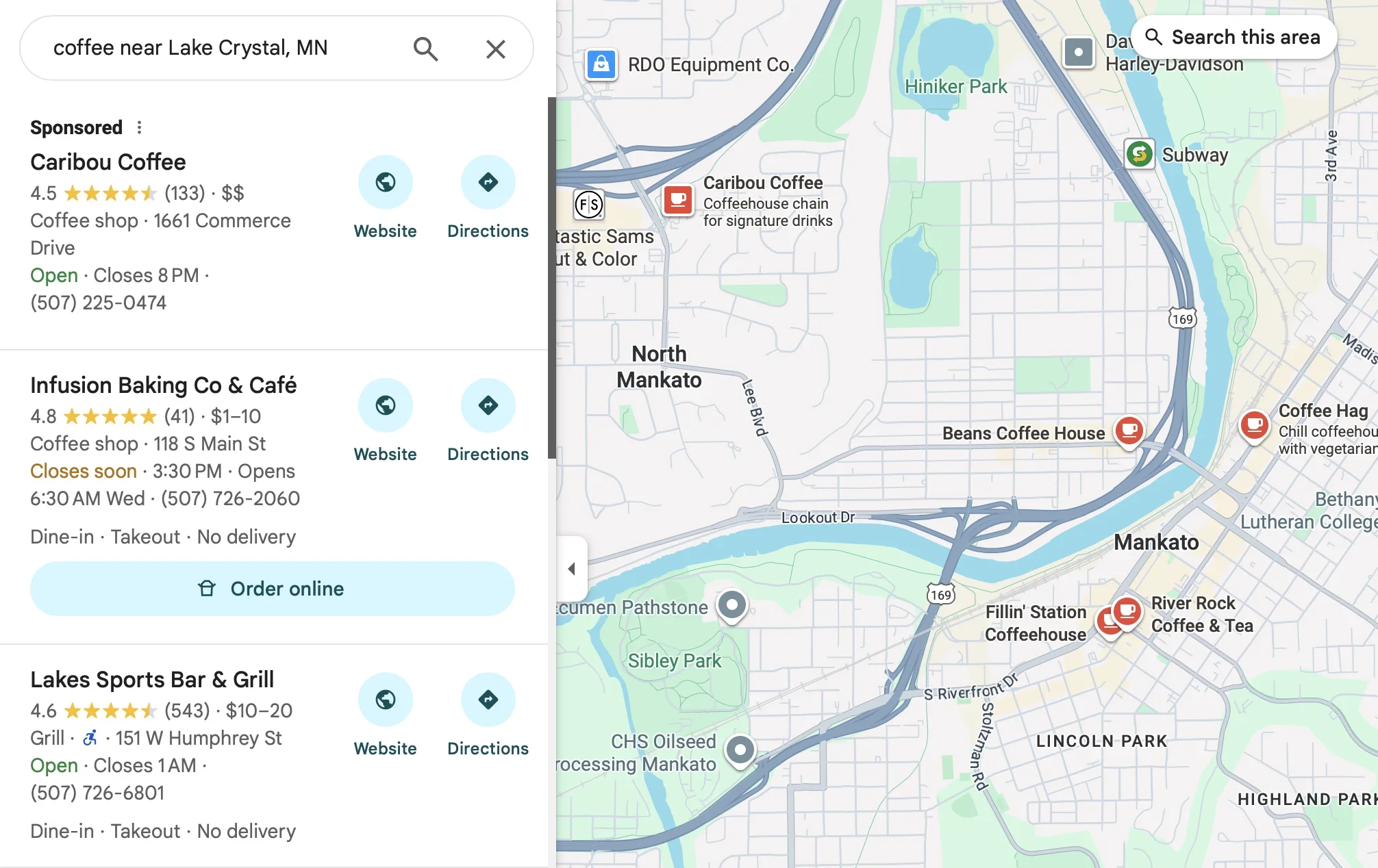
Local SEO is optimizing your online presence to attract customers from local searches. It's different from regular SEO because location matters. A lot.
When you search "dentist near me" from Minneapolis, you get different results than someone searching from Chicago. Google knows where you are and tries to show the most relevant local businesses.
Local SEO focuses on:
- •Showing up in Google Maps and the local pack (the map with 3 businesses)
- •Your Google Business Profile (formerly Google My Business)
- •Reviews and ratings
- •Local citations (mentions of your business name and address)
- •Location-specific keywords on your website
If you run a business that serves a specific geographic area, local SEO should be your primary focus. It's how you get found by people actively looking for what you offer nearby.
Local SEO Ranking Factors (In Order of Importance)
Based on industry studies and my own experience, here are the factors that matter most for local rankings:
Primary GBP Category
Your main Google Business Profile category is the single biggest factor. Choose the category closest to what you actually do AND closest to what people search for.
Keywords in Business Name
If your business name naturally contains your main keyword, you get a big boost. But don't stuff keywords - that violates Google's guidelines and can get you suspended.
Physical Location
How close you are to the searcher matters. Being in the center of a city ranks better than the outskirts. Being in the city being searched (Boston vs Cambridge) matters.
Additional GBP Categories
Google lets you add secondary categories. Use them. A dentist might add 'Cosmetic Dentist' and 'Emergency Dental Service' as secondary categories.
Complete GBP Listing
Fill out every single field in your profile. Hours, services, photos, description, Q&A - all of it. Empty profiles rank worse.
Google Reviews
More reviews and higher ratings help. But quality matters more than quantity. Reviews that mention your keywords are extra valuable.
Website Optimization
Your actual website still matters. Location keywords in the right places, proper page structure, good content about your services.
Backlinks
Links from other websites still matter for local SEO. Links from local sources (local news, chambers of commerce) are especially valuable.
Citations
Mentions of your NAP (Name, Address, Phone) across the web. Being listed in directories like Yelp, Yellow Pages, and industry-specific directories.
Google Business Profile Optimization
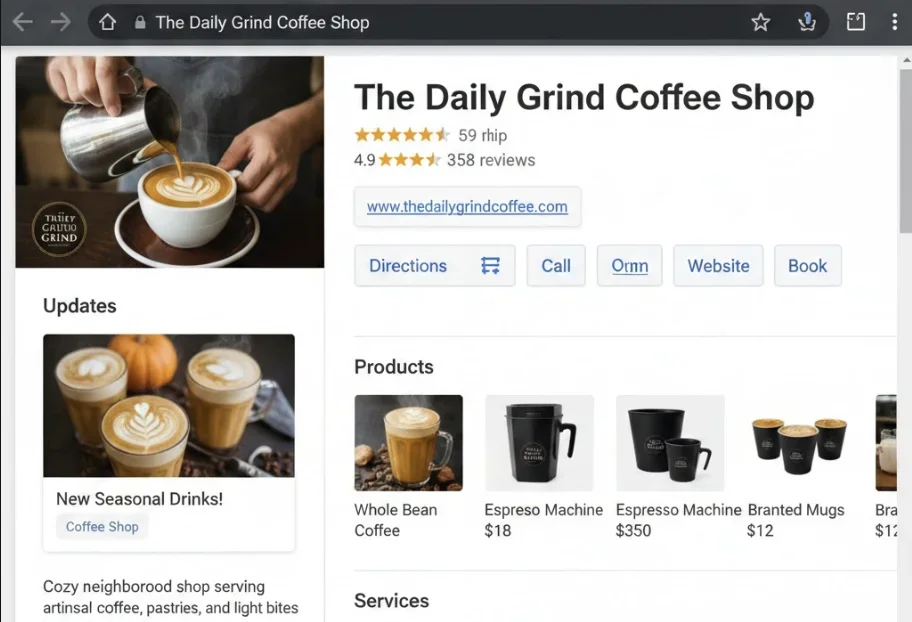
Your Google Business Profile (GBP) is the single most important asset for local SEO. It's what shows up in Maps, the local pack, and the knowledge panel when people search your business name.
The GBP Checklist
Pro Tip: GBP Posts
Google Business Profile posts show up in your listing and can include photos, offers, and updates. They expire after 7 days but show Google your profile is active. I recommend posting once a week at minimum.
Why Location Matters So Much
Proximity to the searcher is one of the top ranking factors. Here's what that means in practice:
City Borders Matter
Searching "dog grooming Boston" won't show Cambridge businesses, even though Cambridge is right next door. Unless there are literally no competitors in Boston (unlikely), you won't appear.
Density Matters
Businesses in the center of a city tend to rank better than those on the outskirts. Google favors densely populated areas where more searchers are likely to be.
You Can't Fake It
Google's official policy: "Service-area businesses can't list a 'virtual' office unless that office is staffed during business hours." P.O. boxes and unstaffed virtual offices will eventually get caught and suspended.
This is why local SEO strategies differ based on your physical setup. A storefront business optimizes differently than a service-area business (like a plumber who goes to customers).
NAP Consistency & Local Citations
NAP stands for Name, Address, Phone number. It sounds simple, but getting this wrong can tank your local rankings.
The Golden Rule
Your NAP must be exactly the same everywhere online.
Not "123 Main Street" in one place and "123 Main St." in another. Not "(612) 555-1234" somewhere and "612-555-1234" elsewhere. Exactly. The. Same.
What is a Local Citation?
A citation is any mention of your business online, typically including at least your business name and some combination of address, phone, or website. Common citation sources:
Major Directories
- Yelp
- Yellow Pages
- Better Business Bureau
- Facebook Business
- Apple Maps
- Bing Places
Industry Specific
- Houzz (contractors)
- Healthgrades (doctors)
- Avvo (lawyers)
- TripAdvisor (restaurants)
- Angi (home services)
- Zocdoc (healthcare)
You don't need to be on hundreds of directories. Focus on the major ones and the ones specific to your industry. Quality and accuracy beat quantity.
Google Reviews Strategy
Reviews are a ranking factor, but more importantly, they're how potential customers decide whether to choose you.
How to Get More Reviews
Responding to Reviews
Respond to every single review. Yes, even the 5-star ones. Especially the negative ones.
Positive Reviews
Thank them, mention something specific about their job (shows you're not copy-pasting), and subtly include a keyword if it's natural.
Negative Reviews
Respond professionally. Acknowledge their frustration, apologize if appropriate, offer to make it right offline (give a phone number or email). Never argue. Future customers will read your response and judge you by how you handle criticism.
Website Optimization for Local SEO
Your website still matters for local rankings. Here's what to focus on:
Homepage Keywords
Target broad location terms on your homepage. Examples:
- •"Plumber Minneapolis" or "Minneapolis Plumbing Services"
- •"Chicago Dentist" or "Family Dentist Chicago"
Service Area Pages
Create dedicated pages for each city or neighborhood you serve. Not thin, keyword-stuffed pages - real content about serving that specific area.
Each page should include:
- ✓Unique content about that location (neighborhoods, landmarks, local references)
- ✓Specific services you offer there
- ✓Embedded Google Map showing your coverage
- ✓Local testimonials if you have them
Don't Forget Technical SEO
All the technical SEO basics still apply. Fast loading, mobile-friendly, proper meta tags. Use the SEO audit tool to check your pages.
Local Business Schema Markup
Schema markup helps search engines understand your business information. For local businesses, the LocalBusiness schema is essential.
What to Include in LocalBusiness Schema
- ✓Business name, address, phone (matching your NAP exactly)
- ✓Business hours
- ✓Geographic coordinates
- ✓Service area (if applicable)
- ✓Price range
- ✓Links to social profiles
Not sure if your schema is set up correctly? Test it with the schema markup tester.
Local SEO Mistakes to Avoid
Keyword Stuffing Your Business Name
If your business is "John's Plumbing," don't list it as "John's Plumbing - Minneapolis Best Plumber 24/7 Emergency Service." Google will suspend your profile.
Using Fake Addresses
Virtual offices, P.O. boxes, and unstaffed locations will get you suspended eventually. Google sends postcards and does verification visits.
Buying Fake Reviews
Google's algorithms are good at detecting fake reviews. Getting caught means all your reviews can be removed, plus potential suspension.
Ignoring Negative Reviews
Unanswered negative reviews look worse than a professional response. Always respond, even if just to apologize and offer to make it right.
Geotagging Photos
This used to be an SEO tactic. It's not anymore. Embedding GPS coordinates in photos doesn't help rankings - it's just a waste of time.
Need Help With Local SEO?
Local SEO is my specialty. I help small businesses show up in the map pack and get found by local customers.